


10 Tips for Reducing the Stress over Flight Turbulence
Being scared of flying is a very common problem. Studies show that it affects up to 40% of the passengers, and that 2.5% have true aviophobia. Turbulence can be a big source of stress due to its sudden appearances and strong effects on the plane.
In this article we will give you a few tips on how to manage the stress for your next flight.
1. Read about turbulence
We, humans, tend to be more scared of those things we don’t fully understand. Building knowledge on a topic will give you a feeling of control and help you regard it less of a threat.

Turbulence is a natural phenomena which occurs constantly around us. From the tiny swirls from cigarette smoke to the large vortices in the atmosphere. It's so common that aeronautical engineers have been working on this topic for as long as planes fly. The wings are designed to flex along the bumps, the control systems to adjust the wings so that the plane remains straight, and the pilots follow many hours of training on how to deal with it.
I am sure you’ve hear the odds, but lets repeat them again:
Since 1990, there have only been 3 deaths directly attributed to flight turbulence. All in different flights. As the number of flights between 1990 and 2018 was about 730 million, you will need to take 243 million flights to be present in a flight where someone dies from turbulence. Since you might not take more than a 10 or 100 flights in your lifetime, its safe to say that you will be fine.
2. Choose a good plane
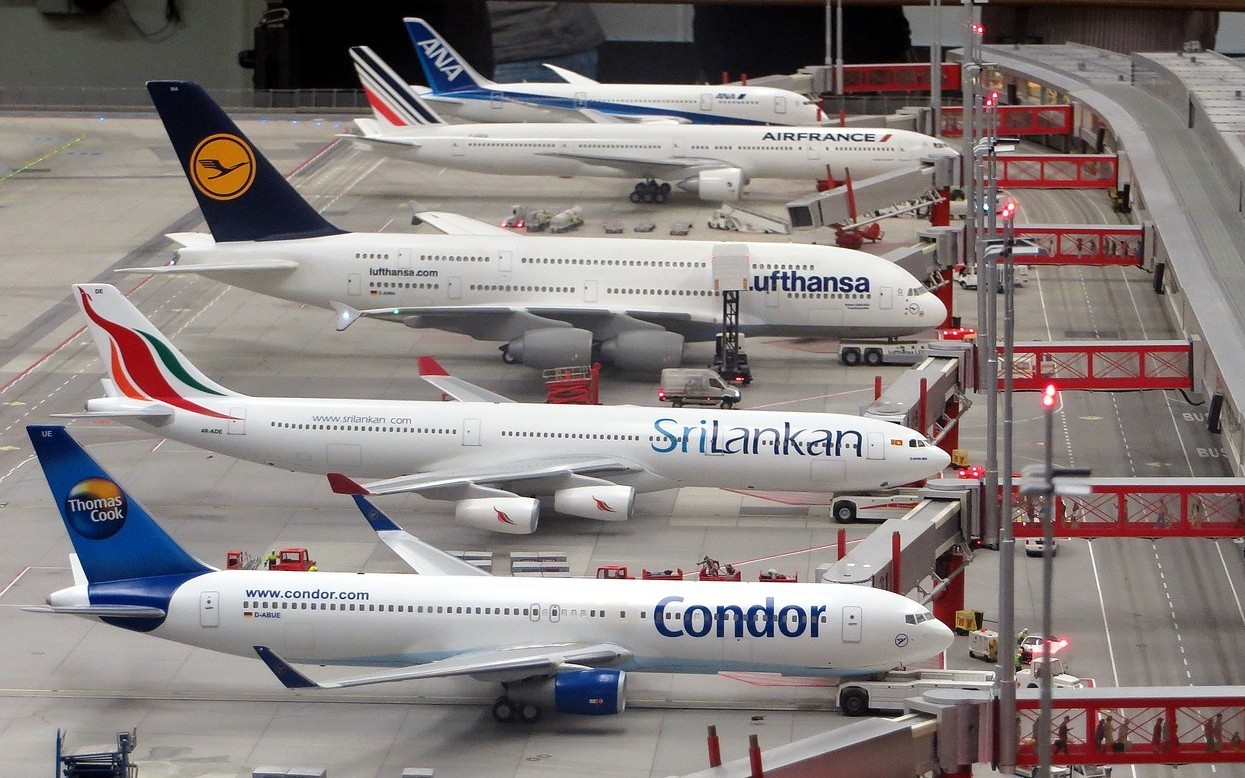
When we buy a flight ticket, we mainly focus on two things: price and schedule. Understandably, the plane model isn't something we tend to look at. But in terms of turbulence, it can make a big difference.
Large planes tend to be more stable since they are usually designed with a large wing loading (plane mass per unit area of the wings). This is a key parameter, as it determines how easily the wind can interact and shake the plane. Check out our article here for more details on this topic.
But most importantly, smaller short-range planes tend to fly at lower altitudes. The lower elevations of 9,000 m are usually much more turbulent than the 12,000 m of long-range flights. So, to minimize the chances of turbulence, choose a long-range route and a high wing loading aircraft!
3. Choose a front seat
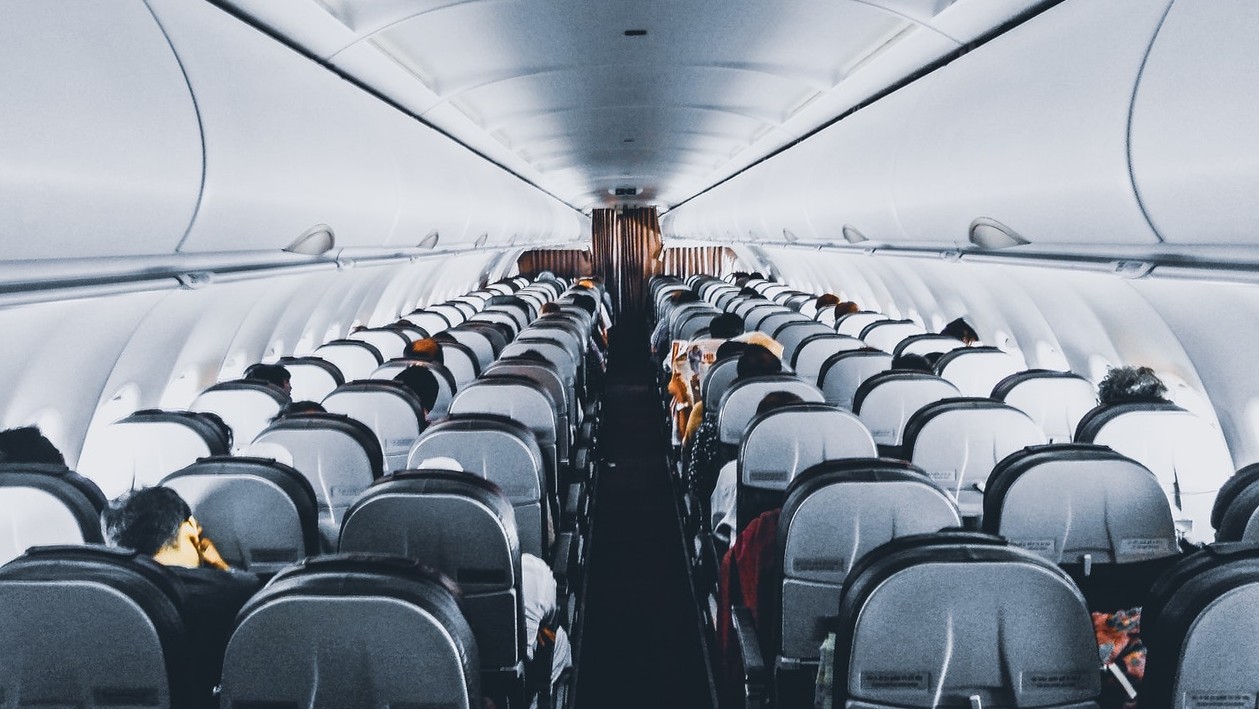
Most airlines allow you to pay a small fee for selecting a seat in advance. If you are scared of flying, it might pay-off to take this option.
First calss is not at the front just to disembark first. The best seats for turbulence are also at the front. This is because they are the closest to the center of gravity of the plane. When turbulence hits, the plane will tend to rotate around its center of gravity, so if you are close to it you will experience the least shaking.
But when strong turbulence pushes the entire plane up and down, any plane seat will feel as bad. The front seats will only make a difference for the low ranges of turbulence.
4. Check the forecasts

Certainty is another game changer. It’s better to know that you will have a turbulent descent than to not know that the flight will be as smooth as silk.
In the first scenario, you are prepared for the moment, and when it comes you just nod while thinking – it’s what it’s supposed to happen. In the second, you might not be able to enjoy your peaceful flight, overly concerned on the chances of turbulence.
This said, keep in mind that forecasts are not a poof for the actual chances of turbulence. Despite the enormous recent development, the models used for weather forecasting are still under development, and cannot account for all instances of turbulence that you might experience.
5. Arrive with time
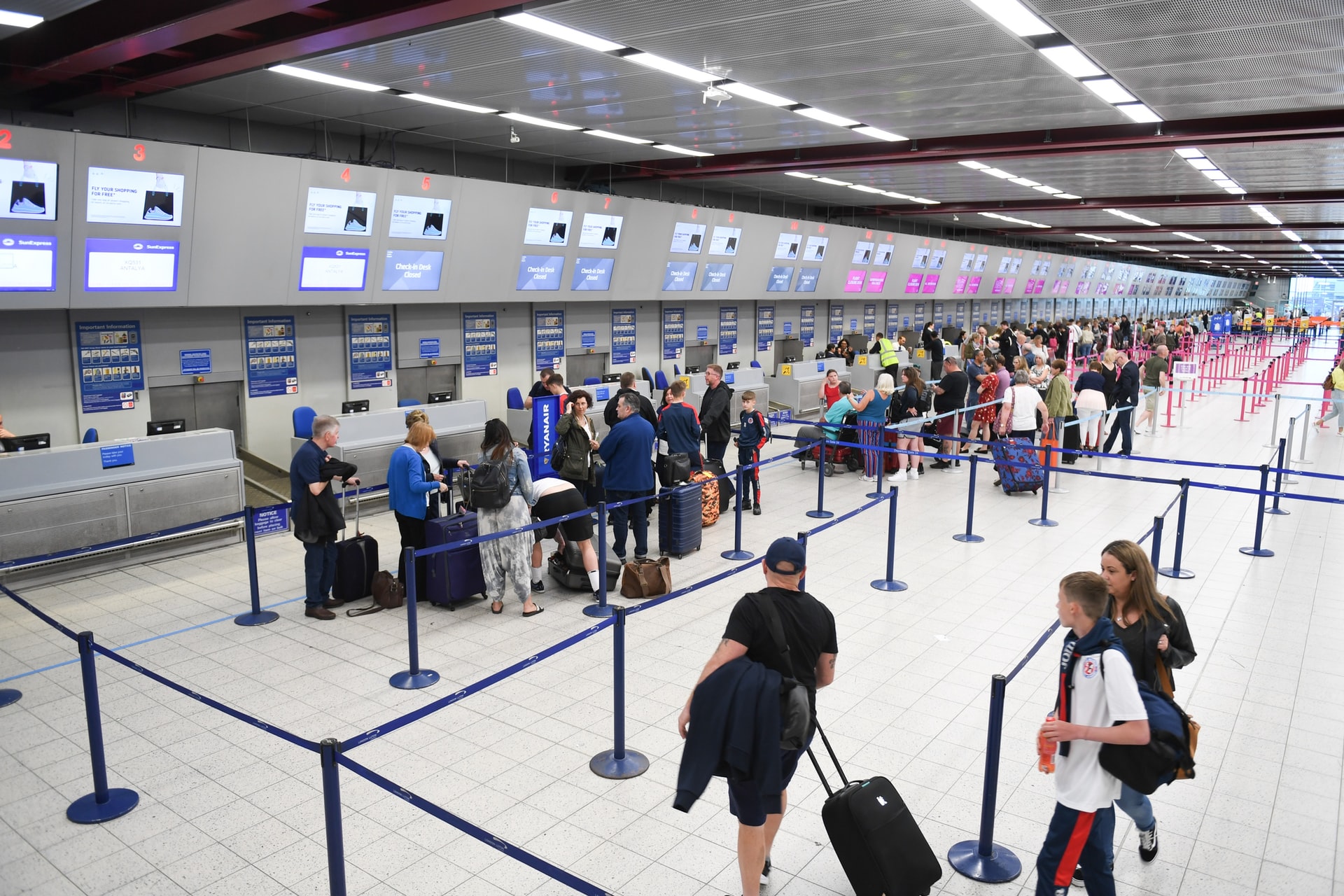
A stressful situation can easily propagate to the rest of the day.
If you arrive short on time, bite your nails during the security check while watching others unpack at the slowest possible speed, run towards to the last corner of the airport (where your gate generally is) and rush into the plane before paying a visit to the toilet, chances are that you will not have a very pleasant flight.
Arriving with plenty of time simply removes all other possible stressful situations, leaving only the turbulence to cope with. Still a difficult situation for some people, but definitely better than adding the rush.
6. Eat well
“Happiness is a full belly”. There is no need to elaborate more on this topic. We all remember a day feeling grumpy and stressed, all of which went away after we sat down and ate a good meal.
If you are on diet, you could mark an exception for today in the calendar. Starving through the flight will only make the trip worse. You can choose to order something at the airport facilities. But just in case you don't have time for that, bring a couple of bananas on your carry-on bag. They might save the day.
7. Don’t drink coffee, or?

This is a tricky part. Strictly speaking, coffee triggers the release of adrenaline, giving you an increased blood flow and heat beat. This is not what you want if you are scared of turbulence. A relaxing chamomile infusion will do better.
But some people are so used to coffee that they actually need it to be relaxed, even if the actual effects are opposite. So if you are a heavy coffee drinker, there is no use on fasting for your flight. The anger and stress that you might experience by the absence of coffee will outweigh the adrenaline spike.
For those who drink coffee to freshen up, not to survive, skipping it for the flight would be a good idea. This also includes caffeinated drinks such as coke, red bull, etc.
8. Buckle up
We have already seen that dying from turbulence extremely, extremely unlikely. Injuries, on the other hand, are more common. Turbulence is the top one cause for flight injuries, according to the FAA. A sudden drop in altitude can cause your head to hit the ceiling, leading to severe neck injuries. A sudden turn can throw you to the aisle, where you will break about anything while rolling.
A fastened seat belt ensures that none of this will happen. So try to put it on even if the seat belt sign is off.
9. Entertain yourself
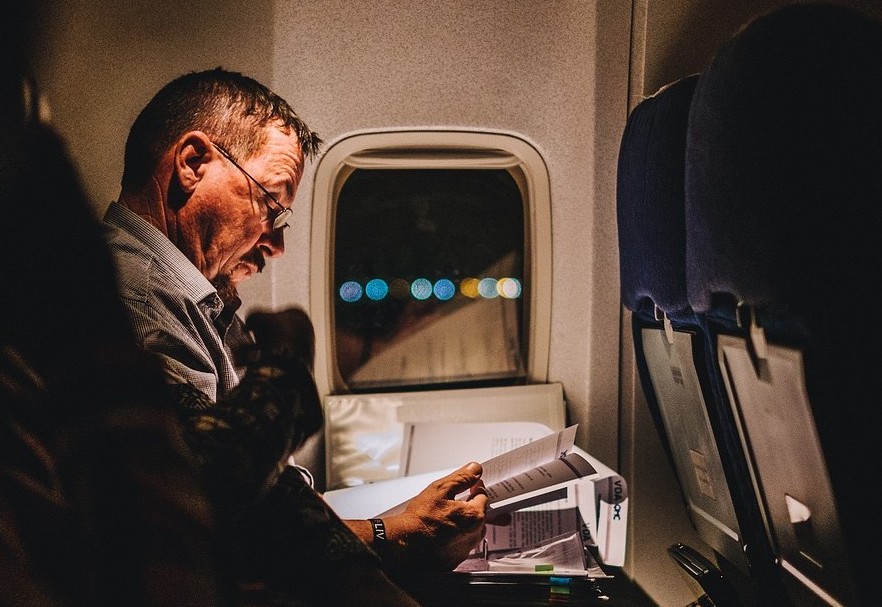
Getting bored is a really good thing (no joke). It is the time where our brain goes more active in thinking or searching for something new. This is why you have bright ideas in the shower, but not while you scroll over social media news feeds.
But let’s get to the flight. If you are concerned about turbulence, getting bored will trigger your brain to start digging deeper and deeper into all its possible outcomes and risks. Having an entertaining activity will help to keep the brain away from this.
Choose something that you really enjoy. Movies, reading, music, games if you travel with someone, etc. The noise in the plane can make it hard to concentrate. If so, try a pair of earplugs while reading, or noise cancellation headphones for music and movies.
10. Find help

Fear of flying and turbulence can in sometimes develop into a phobia. If you believe that you have fallen in this category, the best is to contact a therapist and talk about it.
Phobias to specific situations, such as flying, are usually treated by slowly exposing the individual to its fear. The goal is to remove the images and sensations stuck in your brain which constantly remind you on the dangers of turbulence. Tranquilizers can’t resolve this root problem since they will just leave you numb for a while.
You can take a look at SOAR - Fear of Flying. A company founded in 1982 which offers online programs and private therapy to help you get over the fear of flying. Fear of Flying is another great option. They even have the flight simulators where you can experience and understand how a plane works before jumping into a real one.
References
The World Bank Data. Air transport, passengers carried
Clark G.I., Rock A.J., 2016. Processes Contributing to the Maintenance of Flying Phobia: A Narrative Review. Frontiers in Psychology, 7, 754.
Federal Aviation Administration. Fact Sheet – Turbulence